Items filtered by date: November 2025
Arthritis Can Cause Pain in the Feet and Ankles

If you are suffering from tenderness, pain, or stiffness in the joints of your feet or ankles, call us to schedule an appointment.
What Is the Role of a Podiatrist?
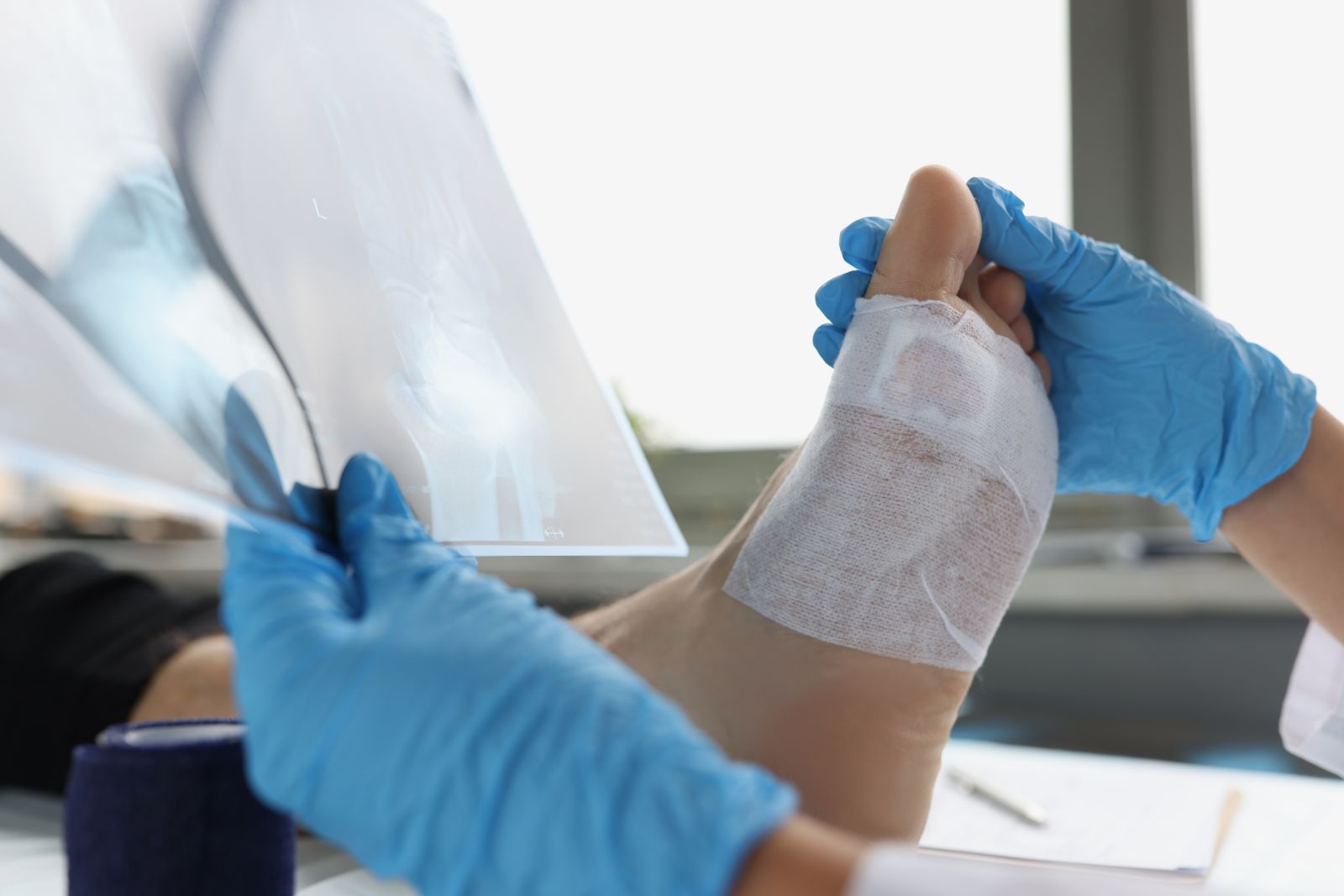
A podiatrist is a medical professional specializing in the diagnosis, treatment, and prevention of conditions affecting the feet, ankles, and lower legs. This type of doctor manages a wide range of issues, including common foot and ankle pain, bunions, numbness in the feet, and skin conditions like plantar warts. Podiatrists also treat congenital conditions like clubfoot and other structural abnormalities that impact the mobility and comfort of children. A podiatrist can prescribe orthotics, perform minor surgical procedures, and offer guidance on footwear, as well as provide care to prevent complications. If you are experiencing foot or ankle discomfort or require specialized care, it is suggested that you consult a podiatrist to receive expert podiatric treatment tailored to your needs.
If you are experiencing pain in the feet or ankles, don’t join the stubborn majority refusing treatment. Feel free to contact Arnold Farbstein, DPM from Texas. Our doctor can provide the care you need to keep you pain-free and on your feet.
What Is a Podiatrist?
Someone would seek the care of a podiatrist if they have suffered a foot injury or have common foot ailments such as heal spurs, bunions, arch problems, deformities, ingrown toenails, corns, foot and ankle problems, etc.
Podiatric Treatment
A podiatrist will treat the problematic areas of the feet, ankle or lower leg by prescribing the following:
- Physical therapy
- Drugs
- Orthotic inserts or soles
- Surgery on lower extremity fractures
A common podiatric procedure a podiatrist will use is a scanner or force plate which will allow the podiatrist to know the designs of orthotics. Patients are then told to follow a series of tasks to complete the treatment. The computer will scan the foot a see which areas show weight distribution and pressure points. The podiatrist will read the analysis and then determine which treatment plans are available.
If you have any questions, please feel free to contact our office located in Houston, TX . We offer the newest diagnostic and treatment technologies for all your foot care needs.
Understanding Athlete’s Foot and How to Treat It
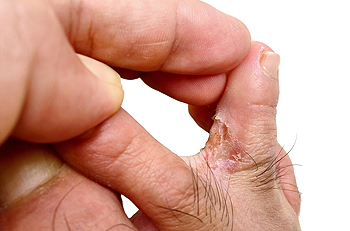
Athlete’s foot is a common fungal infection that affects the skin on the feet, often appearing between the toes. It can cause itching, redness, peeling, and cracking, which may lead to discomfort and spreading if untreated. The fungus thrives in warm, moist environments such as locker rooms and swimming pools. Risk factors include wearing tight shoes, having sweaty feet, or walking barefoot in public places. A podiatrist can provide an accurate diagnosis, and recommend preventive measures to stop recurrence. If you have signs of athlete’s foot, it is suggested that you consult a podiatrist who can provide effective treatment solutions, which often includes prescribed medication.
Athlete’s Foot
Athlete’s foot is often an uncomfortable condition to experience. Thankfully, podiatrists specialize in treating athlete’s foot and offer the best treatment options. If you have any questions about athlete’s foot, consult with Arnold Farbstein, DPM from Texas. Our doctor will assess your condition and provide you with quality treatment.
What Is Athlete’s Foot?
Tinea pedis, more commonly known as athlete’s foot, is a non-serious and common fungal infection of the foot. Athlete’s foot is contagious and can be contracted by touching someone who has it or infected surfaces. The most common places contaminated by it are public showers, locker rooms, and swimming pools. Once contracted, it grows on feet that are left inside moist, dark, and warm shoes and socks.
Prevention
The most effective ways to prevent athlete’s foot include:
- Thoroughly washing and drying feet
- Avoid going barefoot in locker rooms and public showers
- Using shower shoes in public showers
- Wearing socks that allow the feet to breathe
- Changing socks and shoes frequently if you sweat a lot
Symptoms
Athlete’s foot initially occurs as a rash between the toes. However, if left undiagnosed, it can spread to the sides and bottom of the feet, toenails, and if touched by hand, the hands themselves. Symptoms include:
- Redness
- Burning
- Itching
- Scaly and peeling skin
Diagnosis and Treatment
Diagnosis is quick and easy. Skin samples will be taken and either viewed under a microscope or sent to a lab for testing. Sometimes, a podiatrist can diagnose it based on simply looking at it. Once confirmed, treatment options include oral and topical antifungal medications.
If you have any questions, please feel free to contact our office located in Houston, TX . We offer the newest diagnostic and treatment technologies for all your foot care needs.
Caring for the Diabetic Foot
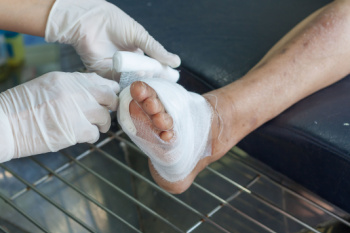
Diabetes can have a serious impact on the feet by reducing circulation and damaging nerves. This combination increases the risk of ulcers, infections, and delayed healing, often without the person noticing an injury at first. Common warning signs include numbness, tingling, skin changes, and slow healing cuts or blisters. Preventive care is essential and includes daily foot inspections, keeping the skin moisturized, and wearing properly fitted shoes that reduce pressure points. Regular trimming of toenails and avoiding walking barefoot can also lower the risk of complications. Even small wounds should never be ignored, as they can quickly progress to more severe problems. Routine checkups with a podiatrist help detect issues early and preserve mobility. If you have diabetes and notice any changes in your feet, it is suggested that you schedule an appointment with a podiatrist for a thorough evaluation and ongoing care.
Diabetic foot care is important in preventing foot ailments such as ulcers. If you are suffering from diabetes or have any other concerns about your feet, contact Arnold Farbstein, DPM from Texas. Our doctor can provide the care you need to keep you pain-free and on your feet.
Diabetic Foot Care
Diabetes affects millions of people every year. The condition can damage blood vessels in many parts of the body, especially the feet. Because of this, taking care of your feet is essential if you have diabetes, and having a podiatrist help monitor your foot health is highly recommended.
The Importance of Caring for Your Feet
- Routinely inspect your feet for bruises or sores.
- Wear socks that fit your feet comfortably.
- Wear comfortable shoes that provide adequate support.
Patients with diabetes should have their doctor monitor their blood levels, as blood sugar levels play such a huge role in diabetic care. Monitoring these levels on a regular basis is highly advised.
It is always best to inform your healthcare professional of any concerns you may have regarding your feet, especially for diabetic patients. Early treatment and routine foot examinations are keys to maintaining proper health, especially because severe complications can arise if proper treatment is not applied.
If you have any questions, please feel free to contact our office located in Houston, TX . We offer the newest diagnostic and treatment technologies for all your foot care needs.
Tips for Finding the Right Shoes
 Wearing the right shoes can play a huge role in the health of your feet. When shopping for new shoes, there are several things that you can do to ensure that you buy the best shoes for your feet. It is recommended that you shop for shoes in person rather than online, so that you can try on shoes, making sure that they fit well and leave room for the toes to move freely in. In a brick and mortar store, you will also be able to ask a salesperson to measure your feet to find out your exact shoe size. Many people wear the wrong size shoes because they are unaware that their feet have changed with age. It is also suggested that you try on shoes in the afternoon when the feet are at their largest. When you find a pair of shoes that are comfortable and fit properly, you may want to feel the inside of the shoe for tags, seams, or other materials that could potentially irritate your foot. You may also want to inspect the soles to make sure that they are thick enough to cushion and protect your feet. For more tips on buying the right shoes for you, consult with a podiatrist today.
It is important to find shoes that fit you properly in order to avoid a variety of different foot problems. For more information about treatment, contact Arnold Farbstein, DPM from Texas. Our doctor will treat your foot and ankle needs.
Proper Shoe Fitting
Shoes have many different functions. They cushion our body weight, protect our feet, and allow us to safely play sports. You should always make sure that the shoes you wear fit you properly in order to avoid injuries and deformities such as: bunions, corns, calluses, hammertoes, plantar fasciitis, stress fractures, and more. It is important to note that although a certain pair of shoes might be a great fit for someone else, that doesn’t mean they will be a great fit for you. This is why you should always try on shoes before buying them to make sure they are worth the investment. Typically, shoes need to be replaced ever six months to one year of regular use.
Tips for Proper Shoe Fitting
- Select a shoe that is shaped like your foot
- Don’t buy shoes that fit too tight, expecting them to stretch to fit
- Make sure there is enough space (3/8” to ½”) for your longest toe at the end of each shoe when you are standing up
- Walk in the shoes to make sure they fit and feel right
- Don’t select shoes by the size marked inside the shoe, but by how the shoe fits your foot
The shoes you buy should always feel as good as they look. Shoes that fit properly will last longer, feel better, and improve your way of life each day.
If you have any questions please contact our office located in Houston, TX . We offer the newest diagnostic and treatment technologies for all your foot and ankle needs.
