Causes and Symptoms of Cuboid Syndrome

Cuboid syndrome is a foot condition that results from a subtle injury to the calcaneocuboid joint, on the outer side of the midfoot, where the heel bone meets the cuboid bone, and leading to pain along the outer side of the foot and difficulty with normal walking. It often develops after an ankle sprain, overuse, or repetitive strain that affects joint alignment and surrounding soft tissues. Common symptoms include pain, tenderness, swelling, and discomfort that worsens with weight-bearing activity. Risk factors include high impact sports, flat feet, wearing improper footwear, and previous foot or ankle injuries. A podiatrist can diagnose cuboid syndrome through clinical evaluation and restore joint alignment with manual techniques, along with recommending supportive footwear and orthotics. If you have pain on the outside of your foot, it is suggested that you consult a podiatrist to relieve discomfort and prevent ongoing instability.

Cuboid syndrome, also known as cuboid subluxation, occurs when the joints and ligaments near the cuboid bone in the foot become torn. If you have cuboid syndrome, consult with Arnold Farbstein, DPM from Texas. Our doctor will assess your condition and provide you with quality foot and ankle treatment.

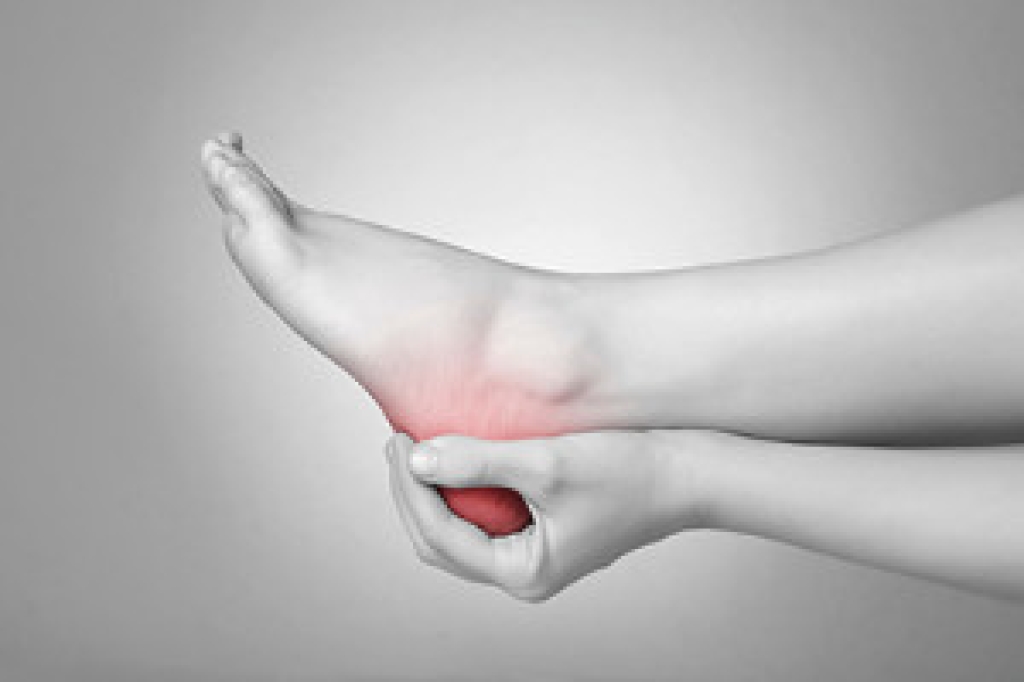
Cuboid syndrome is a common cause of lateral foot pain, which is pain on the outside of the foot. The condition may happen suddenly due to an ankle sprain, or it may develop slowly overtime from repetitive tension through the bone and surrounding structures.

Causes

The most common causes of cuboid syndrome include:

  • Injury – The most common cause of this ailment is an ankle sprain.
  • Repetitive Strain – Tension placed through the peroneus longus muscle from repetitive activities such as jumping and running may cause excessive traction on the bone causing it to sublux.
  • Altered Foot Biomechanics – Most people suffering from cuboid subluxation have flat feet.

Symptoms

A common symptom of cuboid syndrome is pain along the outside of the foot which can be felt in the ankle and toes. This pain may create walking difficulties and may cause those with the condition to walk with a limp.

Diagnosis

Diagnosis of cuboid syndrome is often difficult, and it is often misdiagnosed. X-rays, MRIs and CT scans often fail to properly show the cuboid subluxation. Although there isn’t a specific test used to diagnose cuboid syndrome, your podiatrist will usually check if pain is felt while pressing firmly on the cuboid bone of your foot.

Treatment

Just as the range of causes varies widely, so do treatments. Some more common treatments are ice therapy, rest, exercise, taping, and orthotics.

If you have any questions, please feel free to contact our office located in Houston, TX . We offer the newest diagnostic and treatment technologies for all your foot care needs.

Read more about All About Cuboid Syndrome

Confident Steps in the Senior Years

As we age, the feet experience years of wear that can affect balance, comfort, and mobility. Skin becomes thinner, nails may thicken, and circulation often slows, making it easier for small problems to develop into bigger concerns. Many seniors also notice changes in sensation, which can make it harder to detect irritation, pressure, or early signs of infection. Regular attention to the feet helps maintain stability and prevents avoidable complications. Gentle daily washing and drying, proper moisture for the skin, and wearing well-fitted shoes that support the arch and heel all contribute to healthier steps. Routine checks for redness, swelling, or changes in nails are equally important. A podiatrist can identify issues such as calluses, arthritis, neuropathy, or circulation problems before they interfere with daily activities. Professional care also ensures nails are trimmed safely and any developing conditions are managed early. If discomfort, numbness, or skin changes begin to affect walking or balance, it is suggested that you see a podiatrist for thorough evaluation and guidance tailored to senior foot health.

If you need your feet checked, contact Arnold Farbstein, DPM of Texas. Our doctor will attend to all of your foot and ankle needs and provide you with quality treatment.

Geriatrics and Podiatry
When people age, some common issues that may occur are bone density loss, dry skin, poor circulation, and rough brittle nails. These issues may also affect your foot health if the necessary steps are not taken to alleviate the problems.

It is important to take care of your feet because feet that are injured or diseased can affect your overall health. Having painful feet hinders your ability to do daily activities or may decrease your willingness to do the things that you need to do.

Visiting Your Geriatrician
As we age, health problems become more likely, so it is essential to visit your doctor for check-ups to ensure that you are doing the best you can to take care of your health. It is recommended to check your feet frequently for any possible cuts, bruises, swelling, corns or any other irregularities. 

Taking Care of Elderly Feet
Cracked or dry feet can be treated by applying moisturizer often. It is also important not to wear old socks because the older the sock is, the higher the possibility there will be that there is bacteria there. Wear fresh socks and make sure they fit properly.

Proper foot health means that you can have a more active lifestyle and you will not be bogged down by pain. Foot health also leads to good circulation, which is paramount for overall health.

If you have any questions, please feel free to contact our office located in Houston, TX . We offer the newest diagnostic and treatment technologies for all your foot care needs.

Read more about Geriatrics and Podiatry

Are Bunions Affecting Your Everyday Life?

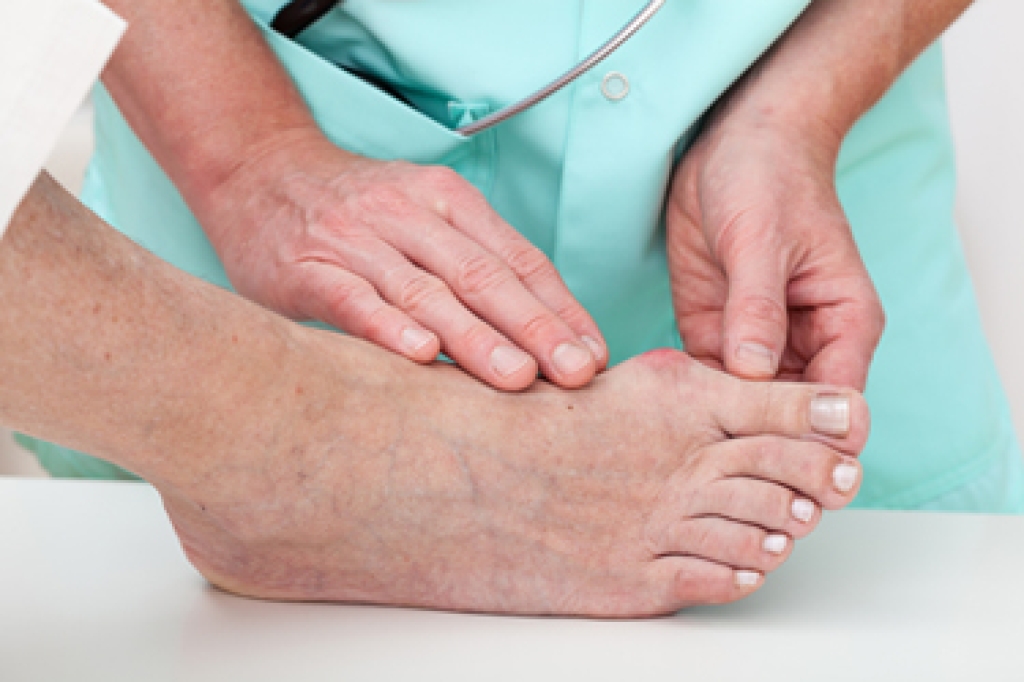
Have you noticed a bony protrusion on the side of your big toe? If so, you may have developed the foot condition known as a bunion. Don't let bunions interfere with your daily activities.

Foot and Ankle Injuries Common in Runners

Running places repeated stress on the 26 bones and numerous joints, tendons, and ligaments in the foot and ankle, which can lead to overuse injuries. Plantar fasciitis occurs when the thick band of tissue along the bottom of the foot becomes irritated, causing sharp heel pain. Achilles tendinopathy involves damage to the tendon that connects the calf muscles to the heel, leading to stiffness and pain at the back of the ankle. Metatarsalgia, or pain in the ball of the foot, is usually caused by excess pressure on the long bones behind the toes. Stress fractures are small cracks in these bones that develop from repetitive impact and may cause swelling and tenderness. A podiatrist can order diagnostic imaging and prescribe custom orthotic devices or other medical treatment to reduce pain and support healing. If you have foot or ankle pain after running, it is suggested that you make an appointment with a podiatrist for an exam, diagnosis, and treatment.

Exercising your feet regularly with the proper foot wear is a great way to prevent injuries. If you have any concerns about your feet, contact Arnold Farbstein, DPM of Texas. Our doctor will treat your foot and ankle needs.

How to Prevent Running Injuries

Many common running injuries are caused by overuse and overtraining. When the back of the kneecap starts wearing out and starts causing pain in your knee, this is commonly referred to as runner’s knee. Runner’s knee is a decrease in strength in your quadriceps and can occur if you’re not wearing properly fitted or supporting shoes. To prevent runner’s knee, focusing on hip strengthening is a good idea, as well as strengthening your quads to keep the kneecaps aligned.

What Are Some Causes of Running Injuries? 
- One cause of a common running injury is called iliotibial band syndrome.
- Plantar fasciitis is also another common injury.
- Stress fractures can occur from overtraining, lack of calcium, or even your running style.

Best Ways to Prevent Running Injuries
- Wear footwear that fits properly and suits your running needs.
- Running shoes are the only protective gear that runners have to safeguard them from injury.
- Make a training schedule. Adding strengthening exercises as well as regular stretching can help keep you strong and limber and can lessen the possibility of injuries.
- Stretching keeps muscles limber; this will help you gain better flexibility.

If you have any questions, please feel free to contact our office located in Houston, TX . We offer the newest diagnostic and treatment technologies for all your foot care needs.

Read more about How to Prevent Running Injuries

Foot Issues During Pregnancy

Pregnancy brings many physical changes, and the feet are often affected in surprising ways. As the body adapts to a growing baby, hormonal shifts loosen ligaments, which can lead to an unsteady gait and reduced balance. Increased body weight places added pressure on the feet, contributing to discomfort and fatigue. Swelling is also common due to fluid retention and changes in circulation, making shoes feel tight and restrictive. Many women notice increased foot width as the arches flatten and ligaments stretch, sometimes resulting in a permanent change in shoe size. Wearing supportive footwear, elevating the feet, and maintaining gentle activity can help reduce discomfort. If symptoms persist or worsen, it is suggested that you consult a podiatrist who can treat various foot and ankle conditions, providing foot relief for a comfortable pregnancy.

Pregnant women with swollen feet can be treated with a variety of different methods that are readily available. For more information about other cures for swollen feet during pregnancy, consult with Arnold Farbstein, DPM from Texas. Our doctor will attend to all of your foot and ankle needs.

What Foot Problems Can Arise During Pregnancy?

One problem that can occur is overpronation, which occurs when the arch of the foot flattens and tends to roll inward.  This can cause pain and discomfort in your heels while you’re walking or even just standing up, trying to support your baby.  

Another problem is edema, or swelling in the extremities. This often affects the feet during pregnancy but tends to occur in the later stages. 

How Can I Keep My Feet Healthy During Pregnancy?

  • Wearing orthotics can provide extra support for the feet and help distribute weight evenly
  • Minimize the amount of time spent walking barefoot
  • Wear shoes with good arch support
  • Wear shoes that allow for good circulation to the feet
  • Elevate feet if you experience swelling
  • Massage your feet
  • Get regular, light exercise, such as walking, to promote blood circulation to the feet

If you have any questions, please feel free to contact our office located in Houston, TX . We offer the newest diagnostic and treatment technologies for all your foot care needs.

Read more about Pregnancy and Foot Health

Connect With Us

scroll to top