Orthotics and Arch Support for Healthier Feet

Orthotics are shoe inserts designed to support the feet and improve how pressure moves through them. They may be prescribed or purchased over the counter, depending on your needs. Orthotics can provide arch support, cushioning, and improved foot alignment. They are often used when foot structure or movement contributes to discomfort. This approach can make walking more comfortable while reducing unnecessary stress on sensitive areas.

Common symptoms that may benefit from orthotic support include arch pain, heel pain, and tired feet. Some people notice discomfort while walking, standing, or exercising. Risk factors include flat feet, high arches, and unsupportive footwear. Other causes of foot strain may include abnormal gait mechanics, previous injuries, or prolonged standing. A podiatrist can determine whether orthotics are appropriate for your specific condition.


Types of orthotics include custom orthotics and prefabricated inserts. Custom orthotics are designed from measurements or scans of your feet and can address biomechanical needs specific to you. Prefabricated options provide general support and may work well for certain mild problems. A podiatrist begins by reviewing your symptoms and medical history. The feet are examined for alignment, pressure points, and range of motion. Your walking pattern may also be evaluated before an orthotic recommendation is made.


Treatment with orthotics usually begins with selecting the correct device for your foot structure and daily activities. Your podiatrist may recommend gradual wear so your feet can adjust comfortably. Follow-up visits can help assess comfort levels and determine whether adjustments are needed. Wearing proper footwear is also important because shoes should provide enough room and stability for the insert. Orthotics do not simply add cushioning, they can help manage pressure and support healthier movement. If you have persistent arch discomfort or need better foot support, it is suggested that you consult a podiatrist who can determine what type of orthotics are right for you.

If you are having discomfort in your feet and would like to try orthotics, contact Arnold Farbstein, DPM from Texas. Our doctor can provide the care you need to keep you pain-free and on your feet.

What Are Orthotics?

Orthotics are inserts you can place into your shoes to help with a variety of foot problems such as flat feet or foot pain. Orthotics provide relief and comfort for minor foot and heel pain but can’t correct serious biomechanical problems in your feet.

Over-the-Counter Inserts

Orthotics come in a wide variety of over-the-counter inserts that are used to treat foot pain, heel pain, and minor problems. For example, arch supports can be inserted into your shoes to help correct overarched or flat feet, while gel insoles are often used because they provide comfort and relief from foot and heel pain by alleviating pressure.

Prescription Orthotics

If over-the-counter inserts don’t work for you or if you have a more severe foot concern, it is possible to have your podiatrist prescribe custom orthotics. These high-quality inserts are designed to treat problems such as abnormal motion, plantar fasciitis, and severe forms of heel pain. They can even be used to help patients suffering from diabetes by treating foot ulcers and painful calluses and are usually molded to your feet individually, which allows them to provide full support and comfort.

If you are experiencing minor to severe foot or heel pain, it’s recommended to speak with your podiatrist about the possibilities of using orthotics. A podiatrist can determine which type of orthotic is right for you and allow you to take the first steps towards being pain-free.

If you have any questions, please feel free to contact our office located in Houston, TX . We offer the newest diagnostic and treatment technologies for all your foot care needs.

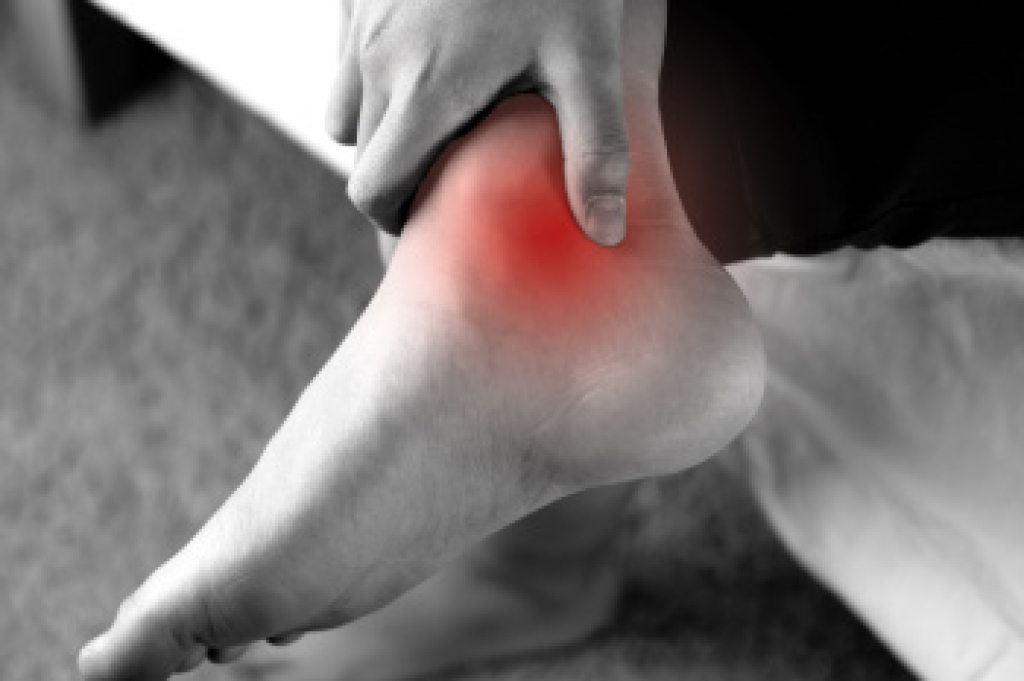
Read more about Ankle Foot Orthotics for Athletes

It's Time for Beautiful Feet

You don't need an excuse to have beautiful nails. Step outside without worrying about the appearance of your feet.

Tarsal Tunnel Syndrome and Its Warning Signs

Tarsal tunnel syndrome is a nerve condition that develops when the tibial nerve becomes compressed as it passes through the tarsal tunnel near the inside of the ankle. This narrow passage contains nerves, blood vessels, and tendons. When pressure affects the tibial nerve, discomfort can travel through the ankle and into the foot. Understanding this condition can help you recognize symptoms early and seek care before nerve irritation becomes persistent.

Common symptoms include burning pain around the inner ankle, tingling in the sole, and numbness in the foot. Some people notice shooting discomfort that becomes stronger after standing or walking for long periods of time. Symptoms may also feel worse at night or after strenuous activity. Risk factors include flat feet, ankle injuries, and arthritis. Diabetes and repetitive stress may also increase vulnerability to nerve compression.


Several causes can contribute to tarsal tunnel syndrome. An ankle sprain may create swelling that places pressure on the tibial nerve. A cyst, bone spur, or other growth can narrow the tunnel. Abnormal foot mechanics may also increase strain along the nerve. A podiatrist begins treatment by reviewing your symptoms and medical history. The examination may assess foot structure, sensation, strength, and nerve function. Diagnostic testing may be recommended when needed to identify nerve compression or another source.


Treatment depends on the cause and severity of symptoms. A podiatrist may recommend activity changes, wearing supportive footwear, or custom orthotics. Medication may reduce irritation and pressure. In selected cases, injections may help control inflammation, while surgery can release the compressed nerve when conservative care does not provide relief. Early evaluation can improve the opportunity for treatment and protect nerve function. Prompt care supports lasting comfort. If you have symptoms of tarsal tunnel syndrome, it is suggested that you consult a podiatrist who can accurately diagnose and treat this condition. 

Tarsal tunnel syndrome can be very uncomfortable to live with. If you are experiencing tarsal tunnel syndrome, contact Arnold Farbstein, DPM of Texas. Our doctor can provide the care you need to keep you pain-free and on your feet.

Tarsal Tunnel Syndrome

Tarsal tunnel syndrome, which can also be called tibial nerve dysfunction, is an uncommon condition of misfiring peripheral nerves in the foot. The tibial nerve is the peripheral nerve in the leg responsible for sensation and movement of the foot and calf muscles. In tarsal tunnel syndrome, the tibial nerve is damaged, causing problems with movement and feeling in the foot of the affected leg.

Common Cause of Tarsal Tunnel Syndrome

  • Involves pressure or an injury, direct pressure on the tibial nerve for an extended period of time, sometimes caused by other body structures close by or near the knee.
  • Diseases that damage nerves, including diabetes, may cause tarsal tunnel syndrome.
  • At times, tarsal tunnel syndrome can appear without an obvious cause in some cases.

The Effects of Tarsal Tunnel Syndrome

  • Different sensations, an afflicted person may experience pain, tingling, burning or other unusual sensations in the foot of the affected leg.
  • The foot muscles, toes and ankle become weaker, and curling your toes or flexing your foot can become difficult.
  • If condition worsens, infections and ulcers may develop on the foot that is experiencing the syndrome.

A physical exam of the leg can help identify the presence of tarsal tunnel syndrome. Medical tests, such as a nerve biopsy, are also used to diagnose the condition. Patients may receive physical therapy and prescriptive medication. In extreme cases, some may require surgery.

If you have any questions please contact our office located in Houston, TX . We offer the newest diagnostic and treatment technologies for all your foot and ankle needs.

Read more about Tarsal Tunnel Syndrome

Foot Stress Fractures From Running

Running places repeated force on the feet and lower legs, and that force can sometimes lead to a stress fracture. A stress fracture is a small crack in a bone caused by repeated impact rather than one sudden injury. Runners can develop these fractures in the feet, shins, or hips. Pain is usually focused on one specific area and can become more noticeable with activity. Swelling and bruising can also occur. The pain can ease with rest, but returning to running before the bone heals can make the injury worse.

Several factors can increase a runner’s risk of a stress fracture. A sudden jump in weekly mileage can place more force on bones than they are prepared to handle. Running in old shoes or shoes that lack proper support can also increase stress on the feet and legs. Running form matters as well. Over-striding happens when the foot lands too far in front of the body, increasing impact. Bone health also plays an important role. Low levels of calcium or vitamin D can weaken bones. For some female runners, under-eating combined with heavy exercise can affect hormones and bone strength, raising fracture risk.

A podiatrist can examine the painful area and evaluate a runner’s symptoms, training history, and foot mechanics. Imaging tests can help identify a stress fracture, although some small fractures are difficult to see on an early X-ray. Treatment can include limiting impact and protecting the injured area with a walking boot or cast. Healing can take several weeks, depending on the location and severity of the fracture. A podiatrist can monitor healing and guide a safe return to running. If you have symptoms of a stress fracture, it is suggested that you schedule an appointment with a podiatrist for a diagnosis and appropriate treatment.

Activities where too much pressure is put on the feet can cause stress fractures. To learn more, contact Arnold Farbstein, DPM from Texas. Our doctor can provide the care you need to keep your pain free and on your feet.

Dealing with Stress Fractures of the Foot and Ankle

Stress fractures occur in the foot and ankle when muscles in these areas weaken from too much or too little use.  The feet and ankles then lose support when walking or running from the impact of the ground. Since there is no protection, the bones receive the full impact of each step. Stress on the feet can cause cracks to form in the bones, thus creating stress fractures.

What Are Stress Fractures?

Stress fractures occur frequently in individuals whose daily activities cause great impact on the feet and ankles. Stress factors are most common among:

  • Runners                                
  • People affected with Osteoporosis
  • Tennis or basketball players
  • Gymnasts
  • High impact workouts

Symptoms

Pain from the fractures occur in the area of the fractures and can be constant or intermittent. It will often cause sharp or dull pain with swelling and tenderness. Engaging in any kind of activity which involves high impact will aggravate pain.

If you have any questions please contact our office located in Houston, TX . We offer the newest diagnostic and treatment technologies for all your foot and ankle needs.

Read more about Stress Fractures of the Foot and Ankle

Understanding Foot Corns and Their Common Causes

A foot corn is a small, thickened area of skin that develops from repeated pressure or friction. Corns often appear on or between the toes, but they can also form on other areas of the foot. The skin becomes thicker as a protective response to ongoing irritation. Wearing shoes that are too tight, narrow, or poorly fitted can squeeze the toes and create repeated rubbing. Other causes include toe deformities, abnormal walking patterns, and uneven pressure across the foot. Common symptoms include a raised or hardened area of skin, tenderness, and pain when standing or walking.

There are three common types of foot corns. A hard corn is a firm, dense patch of thickened skin that often develops over a bony area of a toe. It may have a hard center and become painful when pressure is applied. A soft corn usually forms between the toes, where moisture and friction create a softer, pale area of thickened skin. A seed corn is a very small corn that commonly develops on the bottom of the foot. It may feel like a tiny hard grain beneath the skin and can become uncomfortable when weight is placed on it.

Several factors can increase the risk of developing a corn. Poorly fitting footwear, hammertoes, and prolonged standing or walking can increase pressure and friction. A podiatrist can examine the corn and surrounding foot to determine what is causing repeated irritation. Treatment may include safely reducing the thickened skin, protecting the area from pressure, and recommending supportive footwear or orthotics, when appropriate.

Preventing corns requires addressing the source of pressure. Shoes with enough room for the toes can reduce rubbing and irritation. Corns should not be cut with sharp tools at home because this can cause injury or infection. If a corn is painful, recurring, or interfering with daily activities, it is suggested that you consult a podiatrist for effective relief and appropriate treatment.

If you have any concerns regarding your feet and ankles, contact Arnold Farbstein, DPM of Texas. Our doctor will treat your foot and ankle needs.

Corns: What Are They? and How Do You Get Rid of Them?
Corns can be described as areas of the skin that have thickened to the point of becoming painful or irritating. They are often layers and layers of the skin that have become dry and rough, and are normally smaller than calluses.

Ways to Prevent Corns
There are many ways to get rid of painful corns such as wearing:

  • Well-fitting socks
  • Comfortable shoes that are not tight around your foot
  • Shoes that offer support

Treating Corns
Treatment of corns involves removing the dead skin that has built up in the specific area of the foot. Consult with Our doctor to determine the best treatment option for your case of corns.

If you have any questions, please feel free to contact our office located in Houston, TX . We offer the newest diagnostic and treatment technologies for all your foot care needs.

Read more about Corns and Calluses

Connect With Us

Advanced Podiatric Procedures & Services in the Harris County TX, Houston TX, Bellaire TX, West University Place TX, Pasadena TX, Pearland TX, Fort Bend County TX, Sugar Land TX, Missouri City TX, Brazoria County TX, Montgomery County TX, The Woodlands TX, Conroe TX, Galveston County TX, League City TX, Friendswood TX, Chambers County TX, Baytown TX, Waller County TX, Katy TX, Liberty County TX areas