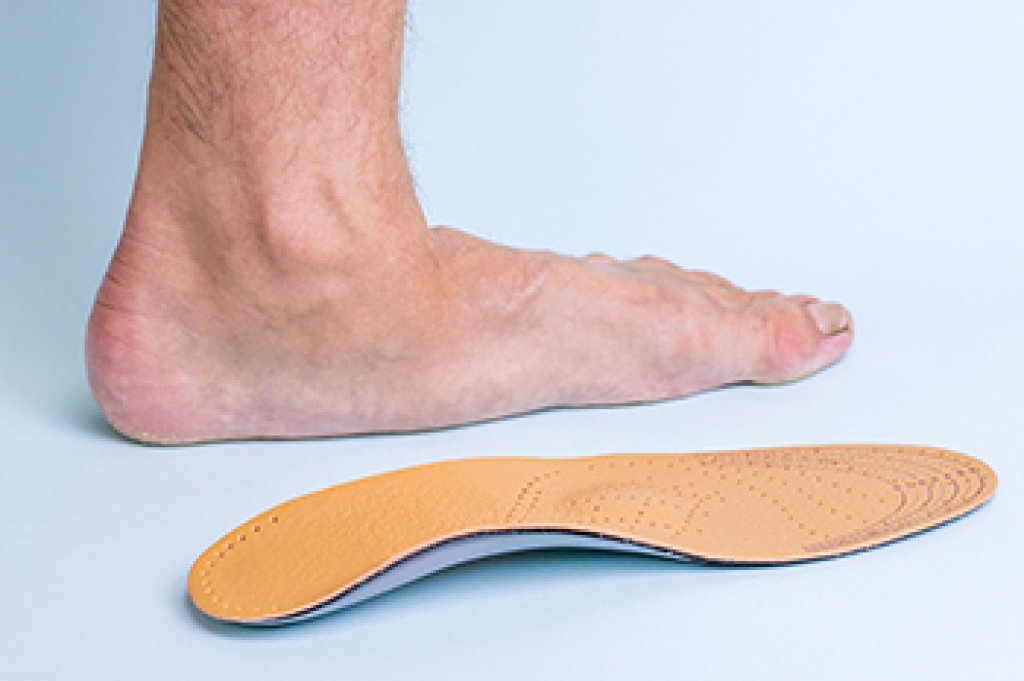
Flat feet is a common condition where the natural arch of the foot is either low or absent, leading to increased ground contact and altered movement patterns. This condition can be present from childhood or develop later. Factors include injury, weight gain, or repetitive stress. When the arch is not properly supported, the foot may struggle to absorb shock efficiently. This can affect posture and contribute to discomfort in the lower body. Understanding how to support the foot correctly is essential for maintaining long-term mobility and comfort.
Symptoms associated with flat feet include aching in the arches or heels, stiffness in the feet, and discomfort that worsens with activity. Some individuals may also experience knee or lower back strain due to improper alignment. Risk factors include family history, ligament laxity, prolonged standing, and footwear that lacks adequate support. Over time, these factors can place added stress on the feet and surrounding joints, making proper support a key part of symptom management.
Arch-support insoles are specifically designed to contour to the foot and provide targeted support beneath the arch. This helps reduce overpronation and promotes better alignment during walking and standing. These insoles can be especially beneficial for individuals experiencing pain or instability. Flat insoles, on the other hand, focus on cushioning and shock absorption without correcting arch position. While they may improve comfort in the short term, they do not address the underlying mechanics of flat feet.
In general, arch-support and flat insoles serve different purposes, but individuals with flat feet often benefit more from structured support. Selecting the right insole can improve comfort, reduce strain, and support overall foot health. If you have pain from flat feet and are considering insoles, it is suggested that you consult a podiatrist for guidance on the proper insoles to wear.
If you are having discomfort in your feet and would like to try orthotics, contact Arnold Farbstein, DPM from Texas. Our doctor can provide the care you need to keep you pain-free and on your feet.
What Are Orthotics?
Orthotics are inserts you can place into your shoes to help with a variety of foot problems such as flat feet or foot pain. Orthotics provide relief and comfort for minor foot and heel pain but can’t correct serious biomechanical problems in your feet.
Over-the-Counter Inserts
Orthotics come in a wide variety of over-the-counter inserts that are used to treat foot pain, heel pain, and minor problems. For example, arch supports can be inserted into your shoes to help correct overarched or flat feet, while gel insoles are often used because they provide comfort and relief from foot and heel pain by alleviating pressure.
Prescription Orthotics
If over-the-counter inserts don’t work for you or if you have a more severe foot concern, it is possible to have your podiatrist prescribe custom orthotics. These high-quality inserts are designed to treat problems such as abnormal motion, plantar fasciitis, and severe forms of heel pain. They can even be used to help patients suffering from diabetes by treating foot ulcers and painful calluses and are usually molded to your feet individually, which allows them to provide full support and comfort.
If you are experiencing minor to severe foot or heel pain, it’s recommended to speak with your podiatrist about the possibilities of using orthotics. A podiatrist can determine which type of orthotic is right for you and allow you to take the first steps towards being pain-free.
If you have any questions, please feel free to contact our office located in Houston, TX . We offer the newest diagnostic and treatment technologies for all your foot care needs.
