How a Podiatrist Can Help Treat Tarsal Tunnel Syndrome

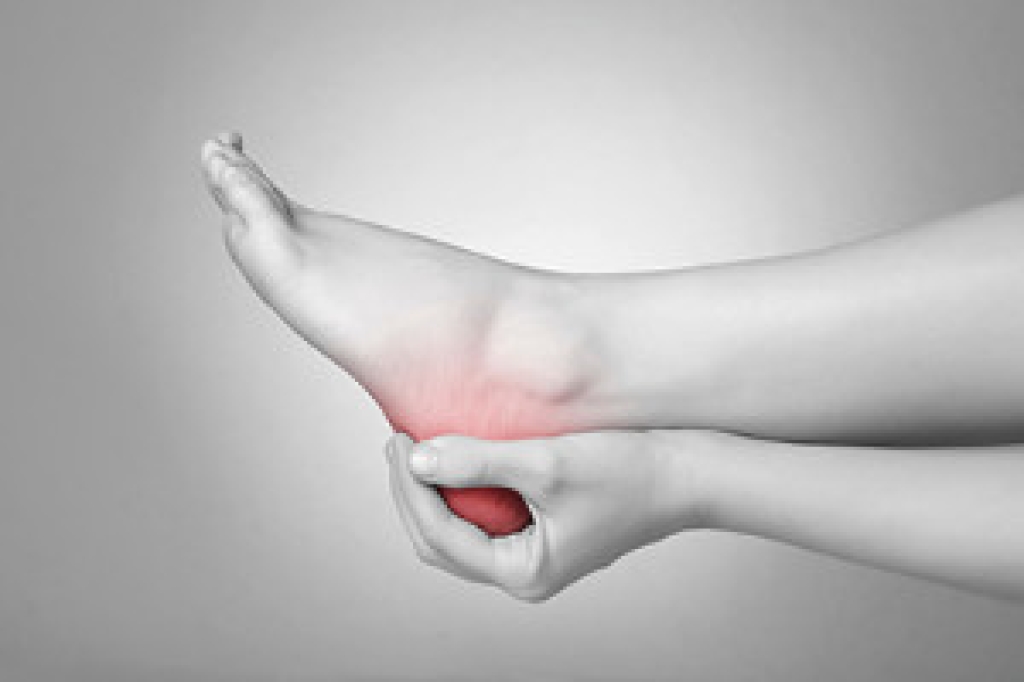
Tarsal tunnel syndrome is a condition that develops when the tibial nerve becomes compressed as it passes through a narrow space on the inside of the ankle called the tarsal tunnel. This pressure can interfere with normal nerve function and cause discomfort in the foot and ankle. Symptoms often include burning pain, tingling, or numbness that may spread into the heel, arch, or toes. Some people also experience sharp, shooting pain that becomes worse when standing or walking. The symptoms may appear gradually or develop after an injury. Because several foot conditions can produce similar symptoms, a professional evaluation is important to determine the underlying cause and recommend the most appropriate treatment.


Several factors can contribute to tarsal tunnel syndrome, including flat feet, injuries, and swelling around the ankle. Inflammation or nearby growths may also place pressure on the tibial nerve. As nerve compression continues, symptoms may become more frequent and begin to affect balance or normal walking. Persistent nerve irritation can also make daily activities less comfortable. A thorough podiatry evaluation helps identify the source of the nerve compression and determine whether another condition is contributing to the symptoms. Early diagnosis allows treatment to begin before the condition progresses and causes more significant nerve-related problems.


A podiatrist specializes in diagnosing and treating tarsal tunnel syndrome by evaluating foot structure, ankle function, and walking mechanics. Professional treatment is based on the underlying cause and focuses on relieving pressure on the affected nerve while improving overall foot function. Early podiatry care may also help reduce discomfort, improve mobility, and lower the risk of long-term nerve damage. Regular follow-up visits allow your progress to be monitored and treatment to be adjusted when needed. If numbness, tingling, or pain in your foot or ankle is affecting your daily activities, it is suggested that you consult a podiatrist for an evaluation and appropriate treatment options.

Tarsal tunnel syndrome can be very uncomfortable to live with. If you are experiencing tarsal tunnel syndrome, contact Arnold Farbstein, DPM of Texas. Our doctor can provide the care you need to keep you pain-free and on your feet.

Tarsal Tunnel Syndrome

Tarsal tunnel syndrome, which can also be called tibial nerve dysfunction, is an uncommon condition of misfiring peripheral nerves in the foot. The tibial nerve is the peripheral nerve in the leg responsible for sensation and movement of the foot and calf muscles. In tarsal tunnel syndrome, the tibial nerve is damaged, causing problems with movement and feeling in the foot of the affected leg.

Common Cause of Tarsal Tunnel Syndrome

  • Involves pressure or an injury, direct pressure on the tibial nerve for an extended period of time, sometimes caused by other body structures close by or near the knee.
  • Diseases that damage nerves, including diabetes, may cause tarsal tunnel syndrome.
  • At times, tarsal tunnel syndrome can appear without an obvious cause in some cases.

The Effects of Tarsal Tunnel Syndrome

  • Different sensations, an afflicted person may experience pain, tingling, burning or other unusual sensations in the foot of the affected leg.
  • The foot muscles, toes and ankle become weaker, and curling your toes or flexing your foot can become difficult.
  • If condition worsens, infections and ulcers may develop on the foot that is experiencing the syndrome.

A physical exam of the leg can help identify the presence of tarsal tunnel syndrome. Medical tests, such as a nerve biopsy, are also used to diagnose the condition. Patients may receive physical therapy and prescriptive medication. In extreme cases, some may require surgery.

If you have any questions please contact our office located in Houston, TX . We offer the newest diagnostic and treatment technologies for all your foot and ankle needs.

Read more about Treating Tarsal Tunnel Syndrome

When Offloading Is Essential for Healing Foot Wounds

Offloading in wound care is an important part of helping foot wounds heal. Offloading means reducing pressure on the injured area so the skin and tissue have a better chance to recover. Every step places force on the feet, especially on the bottom of the foot. When pressure continues on an open wound, healing slows and the wound can become larger or deeper. Patients with diabetes, poor circulation, or reduced feeling in their feet face an even greater risk because they may not notice the damage while walking. A podiatrist carefully examines the wound, identifies the source of pressure, and develops a treatment plan that protects the injured area while supporting healing. Offloading also helps lower the chance of repeated injury that can delay recovery.

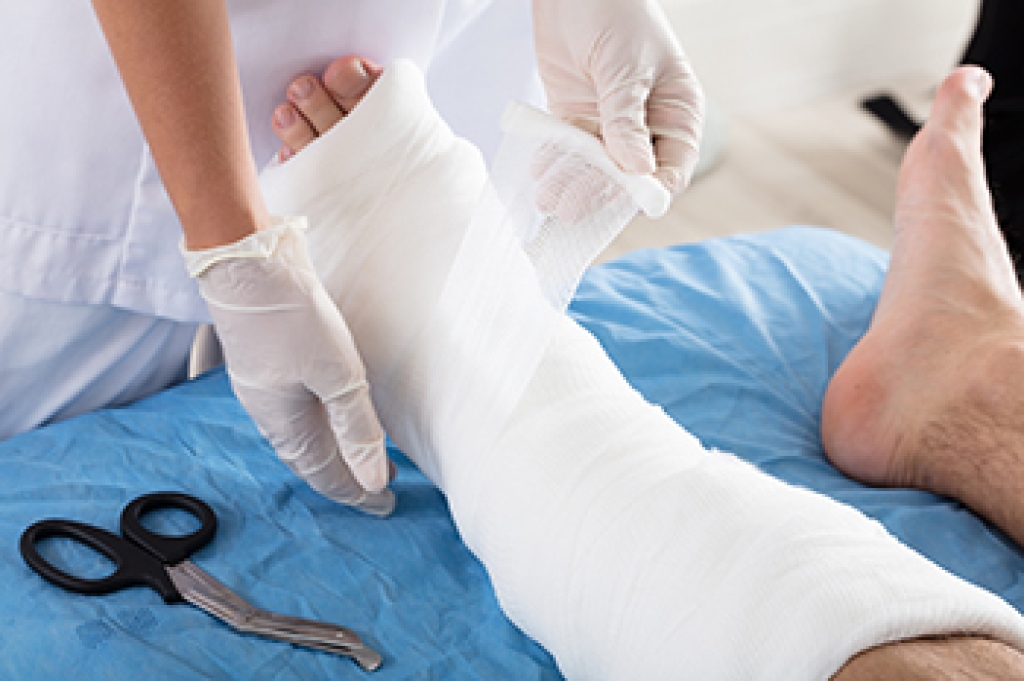
A podiatrist selects the best offloading method based on the wound's location, the shape of the foot, and the patient's daily activities. Options include specialized walking boots, custom shoe inserts, or protective shoes that spread body weight more evenly across the foot. Some patients benefit from casts or other devices that limit pressure on the wound while walking. A podiatrist also checks for foot deformities, calluses, and areas of excess pressure. The wound is routinely measured and examined for progress. The treatment plan can be adjusted whenever healing slows or new pressure points develop.

Offloading works together with wound treatment by protecting healthy tissue and helping new tissue develop. A podiatrist also monitors circulation, watches for signs of infection, and recommends the most appropriate shoes to reduce future problems. Early treatment gives many patients the best opportunity for healing before a wound becomes more serious. Careful offloading also helps lower stress on nearby skin and reduces the chance of another wound developing in the same area. If you have foot wounds that will not heal, it is suggested that you are under the care of a podiatrist who can offer effective treatment and management solutions.

Wound care is an important part in dealing with diabetes. If you have diabetes and a foot wound or would like more information about wound care for diabetics, consult with Arnold Farbstein, DPM from Texas. Our doctor will assess your condition and provide you with quality foot and ankle treatment.

What Is Wound Care?

Wound care is the practice of taking proper care of a wound. This can range from the smallest to the largest of wounds. While everyone can benefit from proper wound care, it is much more important for diabetics. Diabetics often suffer from poor blood circulation which causes wounds to heal much slower than they would in a non-diabetic. 

What Is the Importance of Wound Care?

While it may not seem apparent with small ulcers on the foot, for diabetics, any size ulcer can become infected. Diabetics often also suffer from neuropathy, or nerve loss. This means they might not even feel when they have an ulcer on their foot. If the wound becomes severely infected, amputation may be necessary. Therefore, it is of the upmost importance to properly care for any and all foot wounds.

How to Care for Wounds

The best way to care for foot wounds is to prevent them. For diabetics, this means daily inspections of the feet for any signs of abnormalities or ulcers. It is also recommended to see a podiatrist several times a year for a foot inspection. If you do have an ulcer, run the wound under water to clear dirt from the wound; then apply antibiotic ointment to the wound and cover with a bandage. Bandages should be changed daily and keeping pressure off the wound is smart. It is advised to see a podiatrist, who can keep an eye on it.

If you have any questions please contact our office located in Houston, TX . We offer the newest diagnostic and treatment technologies for all your foot and ankle needs.

Read more about Wound Care

Connect With Us

Advanced Podiatric Procedures & Services in the Harris County TX, Houston TX, Bellaire TX, West University Place TX, Pasadena TX, Pearland TX, Fort Bend County TX, Sugar Land TX, Missouri City TX, Brazoria County TX, Montgomery County TX, The Woodlands TX, Conroe TX, Galveston County TX, League City TX, Friendswood TX, Chambers County TX, Baytown TX, Waller County TX, Katy TX, Liberty County TX areas