
Suffering from this type of pain? You may have the foot condition known as Morton's neuroma. Morton's neuroma may develop as a result of ill-fitting footwear and existing foot deformities. We can help.
Suffering from this type of pain? You may have the foot condition known as Morton's neuroma. Morton's neuroma may develop as a result of ill-fitting footwear and existing foot deformities. We can help.
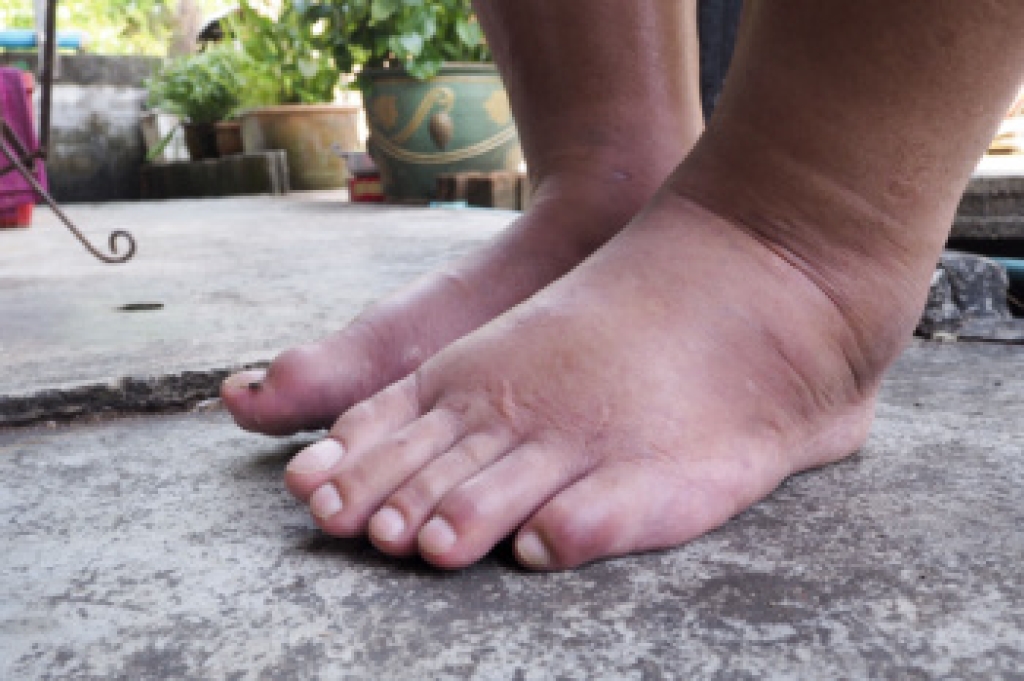
Swollen feet, also known as peripheral edema, occur when excess fluid builds up in the tissues of the lower extremities. This condition can affect one or both feet, and may develop gradually or suddenly. Common causes include prolonged sitting or standing, excess salt intake, and wearing shoes that are too small. Consuming too much liquid in a short period of time may also contribute to fluid retention in some individuals. While swelling is often temporary, it can signal an underlying issue when it persists.
Symptoms of swollen feet include visible puffiness, tight skin, and a feeling of heaviness in the lower legs. Individuals may notice difficulty fitting into shoes or indentations in the skin after pressure is applied. Discomfort, stiffness, and mild pain may also occur, especially after long periods of inactivity or standing. In some cases, swelling may worsen by the end of the day and improve with rest or elevation.
Risk factors for swollen feet include sedentary behavior, high sodium intake, and poor circulation. Individuals who sit or stand for extended periods of time may experience reduced blood flow, leading to fluid accumulation. Wearing restrictive footwear can limit circulation and increase pressure on the feet. Certain lifestyle habits and dietary patterns may further contribute to swelling, particularly when combined with limited physical activity.
Managing swollen feet involves simple but effective lifestyle changes. Elevating the feet, reducing salt intake, and choosing properly-fitted shoes can help improve circulation and reduce fluid buildup. Regular movement throughout the day also supports healthy blood flow. Recognizing the cause of swelling is important for proper care and prevention. If you have swollen feet or ankles, it is suggested that you consult a podiatrist who can determine what the cause is and offer effective relief and prevention tips.
Swollen feet can be a sign of an underlying condition. If you have any concerns, contact Arnold Farbstein, DPM of Texas. Our doctor can provide the care you need to keep you pain-free and on your feet.
Swollen feet are a common ailment among pregnant women and people who stand or sit for extended periods. Aging may increase the possibility of swollen feet and patients who are obese often notice when their feet are swelling too. There may be medical reasons why swollen feet occur:
Swollen feet can also be caused by bone and tendon conditions, including fractures, arthritis, and tendinitis. Additionally, there may be skin and toenail conditions and an infection may cause the feet to swell. Patients who take medicine to treat high blood pressure may be prone to getting swollen feet.
Many patients elevate their feet to help relieve the swelling and this is generally a temporary remedy. When a podiatrist is consulted the reason behind the swelling can be uncovered and subsequently treated.
If you have any questions please contact our office located in Houston, TX . We offer the newest diagnostic and treatment technologies for all your foot and ankle needs.
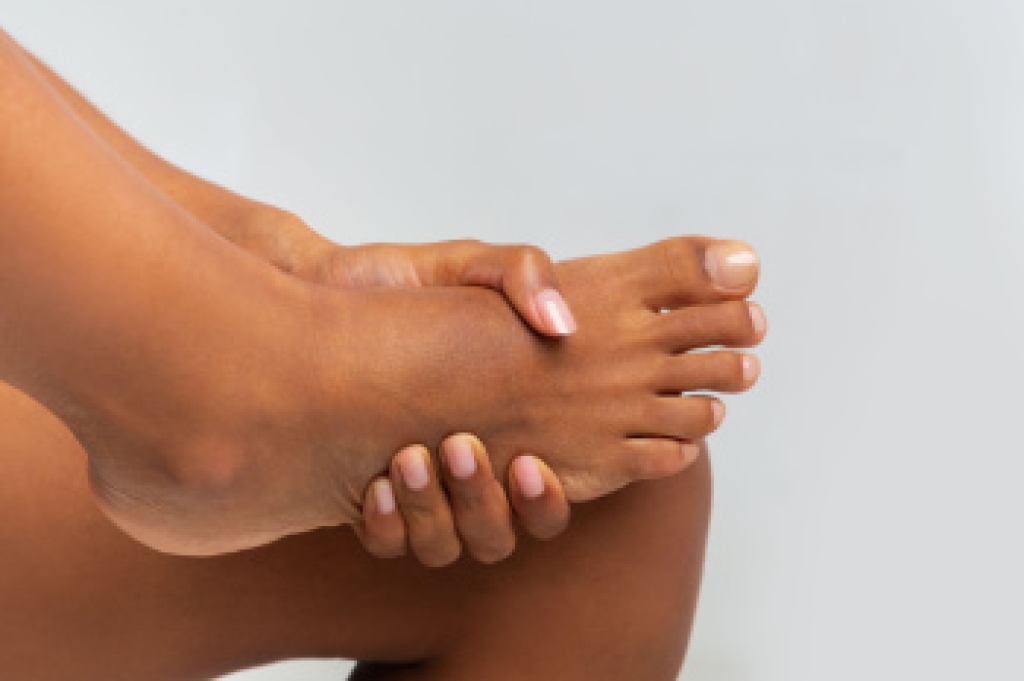
Your feet support your body with every step, making everyday foot care an important part of staying active and comfortable. Healthy feet help you walk, exercise, and complete daily activities with less discomfort. However, small foot problems can become larger concerns when they are ignored. Pain, changes in the skin, or changes in the toenails may be early signs that something is wrong. People with diabetes, poor circulation, or certain medical conditions have a greater risk of developing serious foot problems and should pay close attention to any changes. Paying attention to your foot health and seeking professional care when concerns arise can help prevent more serious complications and keep you moving with confidence.
A podiatrist plays an important role in protecting your long-term foot health. During an examination, a podiatrist can identify problems that may not be obvious and recommend treatment before they become more serious. Professional care may include treating foot pain, managing nail disorders, or addressing skin conditions that affect the feet. A podiatrist can also evaluate the way your feet function and determine whether an underlying condition is placing extra stress on your joints or soft tissues. Early diagnosis and treatment often lead to better outcomes and may help reduce the risk of long-term discomfort.
Regular podiatry visits can help keep your feet healthy and support your overall mobility throughout life. Professional foot care is especially valuable if you notice ongoing pain, changes in the appearance of your feet, or problems that do not improve. Seeking care early allows a podiatrist to address concerns before they interfere with your daily routine. Whether you need treatment for foot pain, nail conditions, or other foot concerns, professional podiatry care is designed to help you stay active and protect your foot health. If you notice ongoing foot pain or other changes in your feet, it is suggested that you consult a podiatrist for an evaluation and appropriate treatment options.
Everyday foot care is very important to prevent infection and other foot ailments. If you need your feet checked, contact Arnold Farbstein, DPM from Texas. Our doctor can provide the care you need to keep you pain-free and on your feet.
Everyday Foot Care
Often, people take care of their bodies, face and hair more so than they do for their feet. But the feet are a very important aspect of our bodies, and one that we should pay more attention to. Without our feet, we would not be able to perform most daily tasks.
It is best to check your feet regularly to make sure there are no new bruises or cuts that you may not have noticed before. For dry feet, moisturizer can easily be a remedy and can be applied as often as necessary to the affected areas. Wearing shoes that fit well can also help you maintain good foot health, as well as making it easier to walk and do daily activities without the stress or pain of ill-fitting shoes, high heels, or even flip flops. Wearing clean socks with closed shoes is important to ensure that sweat and bacteria do not accumulate within the shoe. Clean socks help to prevent Athlete’s foot, fungi problems, bad odors, and can absorb sweat.
If you have any questions, please feel free to contact our office located in Houston, TX . We offer the newest diagnostic and treatment technologies for all your foot care needs.
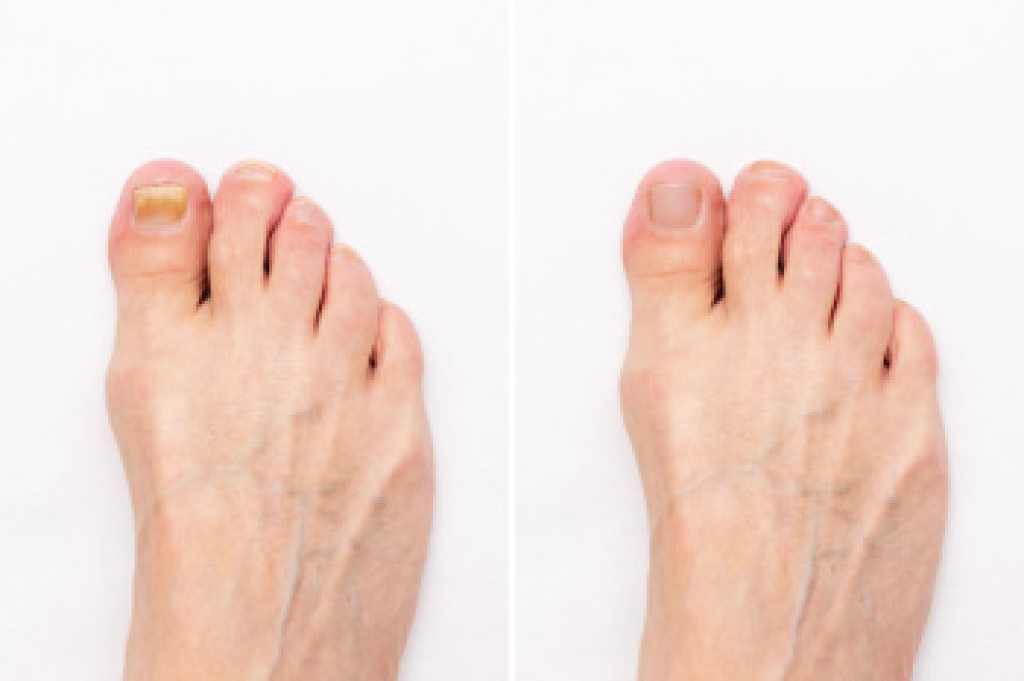
Fungal infections of the feet are caused by different types of fungi that affect the skin or toenails. One of the most common infections is athlete’s foot, which affects the skin between the toes, on the soles, or along the sides of the feet. This infection can spread in warm, damp places like locker rooms and public pools. Symptoms include itching, peeling skin, and cracking. Another common fungal infection affects the toenails. The nails can become thick, brittle, and discolored. Some people also notice debris collecting under the nail. Fungal infections can be stubborn and tend to worsen when they are not treated properly.
Different types of fungi are responsible for these infections. Dermatophytes are fungi that feed on keratin, a protein found in skin and nails. These fungi are the leading cause of athlete’s foot and many toenail infections. Molds are another type of fungus that can infect the toenails, especially when a nail has been damaged. Yeasts, including a type called Candida, can also cause infections of the skin and nails. Candida normally lives on the skin without causing problems. However, when it grows excessively, it can lead to redness, irritation, and nail changes.
A podiatrist can identify the type of fungal infection by examining the affected area and evaluating the symptoms. Treatment depends on the location and severity of the infection. Athlete’s foot is commonly treated with antifungal creams, sprays, or powders. More advanced infections sometimes require prescription medicine. Toenail fungus frequently requires oral medication because the infection develops beneath the nail surface. Early treatment can help prevent the infection from spreading to other nails or areas of the foot. If you have symptoms of a fungal infection in your feet, it is suggested that you make an appointment with a podiatrist for an exam and treatment options.
If left untreated, toenail fungus may spread to other toenails, skin, or even fingernails. If you suspect you have toenail fungus it is important to seek treatment right away. For more information about treatment, contact Arnold Farbstein, DPM of Texas. Our doctor can provide the care you need to keep you pain-free and on your feet.
Symptoms
Treatment
If self-care strategies and over-the-counter medications does not help your fungus, your podiatrist may give you a prescription drug instead. Even if you find relief from your toenail fungus symptoms, you may experience a repeat infection in the future.
Prevention
In order to prevent getting toenail fungus in the future, you should always make sure to wash your feet with soap and water. After washing, it is important to dry your feet thoroughly especially in between the toes. When trimming your toenails, be sure to trim straight across instead of in a rounded shape. It is crucial not to cover up discolored nails with nail polish because that will prevent your nail from being able to “breathe”.
In some cases, surgical procedure may be needed to remove the toenail fungus. Consult with your podiatrist about the best treatment options for your case of toenail fungus.
If you have any questions please contact our office located in Houston, TX . We offer the newest diagnostic and treatment technologies for all your foot and ankle needs.
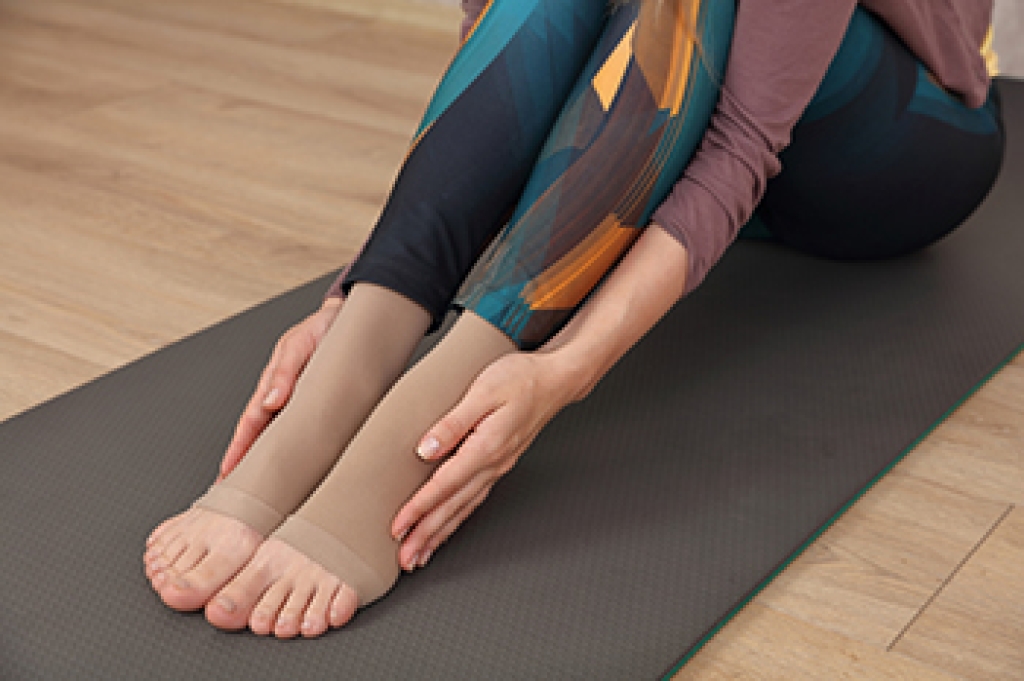
Poor circulation in the feet occurs when blood does not flow as well as it should to the lower legs and feet. Healthy blood flow is important because it delivers oxygen and nutrients that help keep tissues healthy. When circulation is reduced, the feet may not function as well or heal as quickly after an injury. Common symptoms include cold feet, numbness, and changes in skin color. Some people also notice cramping while walking or wounds that heal slowly. Poor circulation may be linked to conditions like peripheral artery disease, diabetes, or other problems that affect the blood vessels. Because these symptoms can signal an underlying medical condition, they should not be ignored. Early evaluation is important to help identify the cause and reduce the risk of more serious complications.
A podiatrist can examine your feet and evaluate how poor circulation may be affecting your overall foot health. During the examination, they assess skin condition, circulation, and sensation while looking for signs of tissue damage or delayed healing. They may also identify problems like ulcers or infections that can develop when blood flow is reduced. If an underlying circulation problem is suspected, a podiatrist may work closely with your primary healthcare provider or another specialist to support your care. Treatment focuses on protecting the feet, managing complications, and helping preserve healthy tissue whenever possible.
Professional foot care is especially important for people with poor circulation because even minor foot problems may become more serious over time. Regular podiatry visits allow changes in the feet to be identified before they lead to more severe complications. Professional care can also help improve comfort, protect mobility, and support long-term foot health. Whether symptoms develop gradually or appear suddenly, early evaluation can make an important difference. If you have cold feet, numbness, or slow-healing wounds, it is suggested that you consult a podiatrist for an evaluation.
While poor circulation itself isn’t a condition; it is a symptom of another underlying health condition you may have. If you have any concerns with poor circulation in your feet contact Arnold Farbstein, DPM of Texas. Our doctor will treat your foot and ankle needs.
Poor Circulation in the Feet
Peripheral artery disease (PAD) can potentially lead to poor circulation in the lower extremities. PAD is a condition that causes the blood vessels and arteries to narrow. In a linked condition called atherosclerosis, the arteries stiffen up due to a buildup of plaque in the arteries and blood vessels. These two conditions can cause a decrease in the amount of blood that flows to your extremities, therefore resulting in pain.
Symptoms
Some of the most common symptoms of poor circulation are:
Treatment for poor circulation often depends on the underlying condition that causes it. Methods for treatment may include insulin for diabetes, special exercise programs, surgery for varicose veins, or compression socks for swollen legs.
As always, see a podiatrist as he or she will assist in finding a regimen that suits you. A podiatrist can also prescribe you any needed medication.
If you have any questions, please feel free to contact our office located in Houston, TX . We offer the newest diagnostic and treatment technologies for all your foot care needs.
