Comparing Bunion and Gout Symptoms

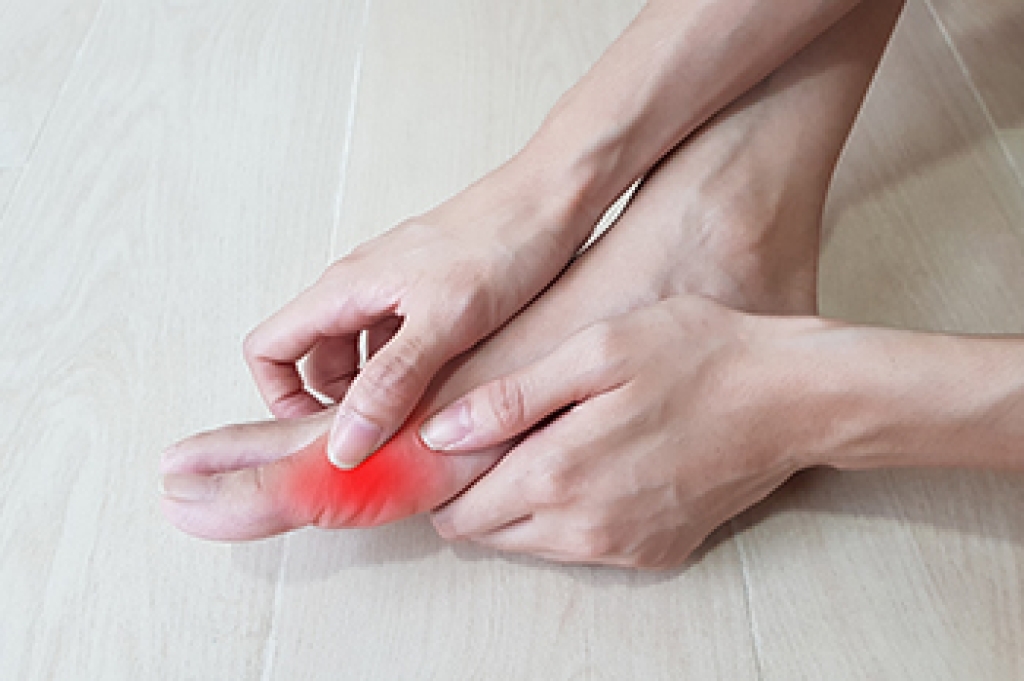
Gout and bunions are common sources of big toe pain, but they arise from very different causes. Gout is an inflammatory arthritis caused by uric acid crystals that accumulate in the joint. This leads to sudden and intense pain, swelling, and tenderness, particularly in the big toe. Gout often strikes unexpectedly and can be worsened by consuming foods and beverages rich in purines. Bunions are bone deformities that develop gradually due to biomechanical issues in the foot. They occur when the big toe pushes against the second toe, causing a bony bump on the side of the foot. A podiatrist can provide relief for bunions by recommending custom orthotics, shoe modifications, and, if necessary, surgery to alleviate pain and correct the deformity. Both gout and bunions can be managed with proper care from a podiatrist for long-term relief. If you are experiencing big toe pain, it is suggested that you schedule an appointment with a podiatrist.

Toe pain can disrupt your daily activities. If you have any concerns, contact Arnold Farbstein, DPM of Texas. Our doctor can provide the care you need to keep you pain-free and on your feet.

What Causes Toe Pain?

Most severe toe pain is caused due to a sports injury, trauma from dropping something heavy on the toe, or bumping into something rigid. Other problems can develop over time for various reasons.

Toe pain can be caused by one or more ailments. The most common include:

  • Trauma
  • Sports injury
  • Wearing shoes that are too tight
  • Arthritis
  • Gout
  • Corns and calluses
  • Hammertoe
  • Bunions
  • Blisters
  • Ingrown toenails
  • Sprains
  • Fractures (broken bones)
  • Dislocations

When to See a Podiatrist

  • Severe pain
  • Persistent pain that lasts more than a week
  • Signs of infection
  • Continued swelling
  • Pain that prevents walking

Diagnosis

In many cases the cause of toe pain is obvious, but in others, a podiatrist may want to use more advanced methods to determine the problem. These can range from simple visual inspections and sensation tests to X-rays and MRI scans. Prior medical history, family medical history, and any recent physical traumatic events will all be taken into consideration for a proper diagnosis.

Treatment

Treatments for toe pain and injuries vary and may include shoe inserts, padding, taping, medicines, injections, and in some cases, surgery. If you believe that you have broken a toe, please see a podiatrist as soon as possible.

If you have any questions please contact our office located in Houston, TX . We offer the newest diagnostic and treatment technologies for all your foot and ankle needs.
Read more about Toe Pain

Understanding Clubfoot

Clubfoot is a congenital condition characterized by an abnormal twisting of the foot, causing it to point downward and inward. This condition can affect one or both feet and may lead to difficulties in walking if left untreated. The exact causes of clubfoot remain unclear, but it is believed to result from a combination of genetic and environmental factors. Research suggests that clubfoot may occur due to a family history of the condition, as well as factors such as reduced amniotic fluid levels during pregnancy. Additionally, certain positions of the fetus in the womb may contribute to the development of clubfoot. Early diagnosis and intervention are essential for effective treatment. With appropriate care, including stretching exercises and casting, most children born with clubfoot can lead active and healthy lives. If your child was born with clubfoot, it is strongly suggested that you include a podiatrist on your healthcare team so the appropriate treatment can promptly begin.

Congenital foot problems require immediate attention to avoid future complications. If you have any concerns, contact Arnold Farbstein, DPM of Texas. Our doctor can provide the care you need to keep you pain-free and on your feet.

Congenital foot problems are deformities affecting the feet, toes, and/or ankles that children are born with. Some of these conditions have a genetic cause while others just happen. Some specific foot ailments that children may be born with include clubfeet, polydactyly/macrodactyly, and cleft foot. There are several other foot anomalies that can occur congenitally. What all of these conditions have in common is that a child may experience difficulty walking or performing everyday activities, as well as trouble finding footwear that fits their foot deformity. Some of these conditions are more serious than others. Consulting with a podiatrist as early as possible will help in properly diagnosing a child’s foot condition while getting the necessary treatment underway.

What are Causes of Congenital Foot Problem?

A congenital foot problem is one that happens to a child at birth. These conditions can be caused by a genetic predisposition, developmental or positional abnormalities during gestation, or with no known cause.

What are Symptoms of Congenital Foot Problems?

Symptoms vary by the congenital condition. Symptoms may consist of the following:

  • Clubfoot, where tendons are shortened, bones are shaped differently, and the Achilles tendon is tight, causing the foot to point in and down. It is also possible for the soles of the feet to face each other.
  • Polydactyly, which usually consists of a nubbin or small lump of tissue without a bone, a toe that is partially formed but has no joints, or an extra toe.
  • Vertical talus, where the talus bone forms in the wrong position causing other bones in the foot to line up improperly, the front of the foot to point up, and the bottom of the foot to stiffen, with no arch, and to curve out.
  • Tarsal coalition, when there is an abnormal connection of two or more bones in the foot leading to severe, rigid flatfoot.
  • Cleft foot, where there are missing toes, a V-shaped cleft, and other anatomical differences.
  • Macrodactyly, when the toes are abnormally large due to overgrowth of the underlying bone or soft tissue.

Treatment and Prevention

While there is nothing one can do to prevent congenital foot problems, raising awareness and receiving neonatal screenings are important. Early detection by taking your child to a podiatrist leads to the best outcome possible.

If you have any questions, please feel free to contact our office located in Houston, TX . We offer the newest diagnostic and treatment technologies for all your foot care needs.

Read more about Congenital Foot Problems

Managing Corns and Calluses

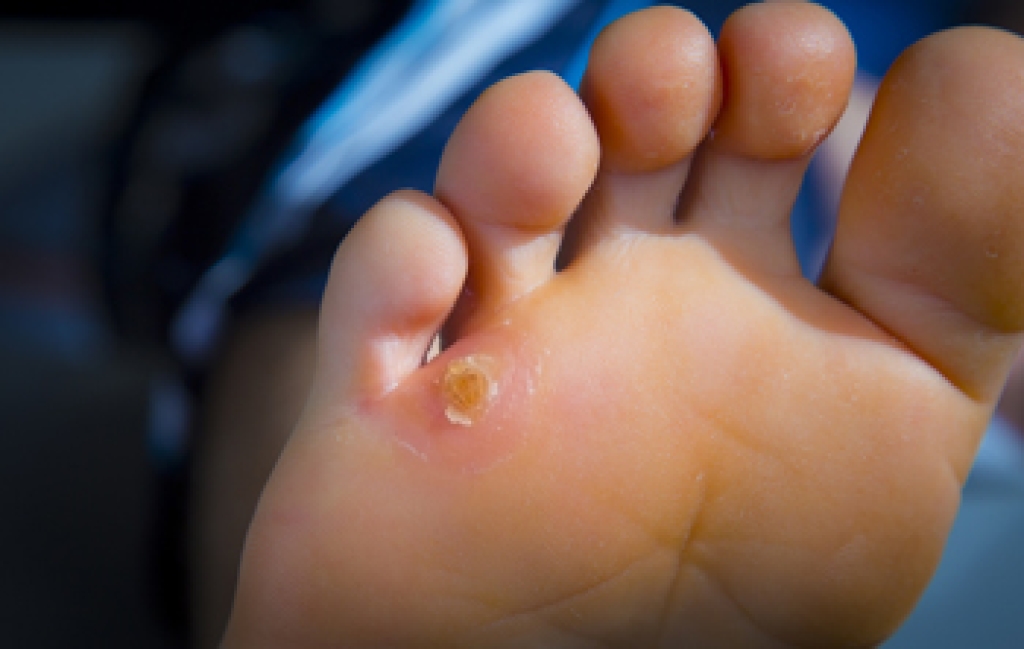
Corns and calluses are foot conditions that develop as a protective response to friction or pressure on the skin. Corns typically appear on the top or sides of toes, while calluses form on the soles of the feet. These areas of thickened skin are generally not serious, but they can become uncomfortable or painful if left untreated. Wearing ill-fitting shoes are often a cause, as they can create repeated rubbing against the skin. Corns and calluses can also develop from underlying foot conditions like bunions or hammertoes. A podiatrist can identify the cause and help alleviate pain by removing the thickened tissue. Methods to prevent corns and calluses from returning include wearing proper footwear and addressing any foot deformities or abnormal gait patterns. Regular foot exams are recommended, particularly for individuals with diabetes, to prevent complications. If you have problematic corns or calluses on the feet, it is suggested that you schedule an appointment with a podiatrist.

If you have any concerns regarding your feet and ankles, contact Arnold Farbstein, DPM of Texas. Our doctor will treat your foot and ankle needs.

Corns: What Are They? and How Do You Get Rid of Them?
Corns can be described as areas of the skin that have thickened to the point of becoming painful or irritating. They are often layers and layers of the skin that have become dry and rough, and are normally smaller than calluses.

Ways to Prevent Corns
There are many ways to get rid of painful corns such as wearing:

  • Well-fitting socks
  • Comfortable shoes that are not tight around your foot
  • Shoes that offer support

Treating Corns
Treatment of corns involves removing the dead skin that has built up in the specific area of the foot. Consult with Our doctor to determine the best treatment option for your case of corns.

If you have any questions, please feel free to contact our office located in Houston, TX . We offer the newest diagnostic and treatment technologies for all your foot care needs.

Read more about Corns: What Are They, and How Do You Get Rid of Them

Understanding Plantar Fasciitis

Plantar fasciitis is an inflammation of the plantar fascia, the thick band of tissue that runs along the bottom of the foot. This condition often leads to significant discomfort, particularly in the heel and arch, and is commonly associated with symptoms such as swelling and stiffness. Many individuals report sharp pain upon taking their first steps in the morning or after prolonged periods of rest. Several factors contribute to the development of plantar fasciitis, including excessive physical activity, improper footwear, and obesity. Additionally, individuals with flat feet or high arches may be at greater risk. Plantar fasciitis can cause severe pain and discomfort. If you are experiencing heel pain, it is strongly suggested that you contact a podiatrist who can accurately diagnose and treat plantar fasciitis.

Plantar fasciitis is a common foot condition that is often caused by a strain injury. If you are experiencing heel pain or symptoms of plantar fasciitis, contact Arnold Farbstein, DPM from Texas. Our doctor can provide the care you need to keep you pain-free and on your feet.

What Is Plantar Fasciitis?

Plantar fasciitis is one of the most common causes of heel pain. The plantar fascia is a ligament that connects your heel to the front of your foot. When this ligament becomes inflamed, plantar fasciitis is the result. If you have plantar fasciitis you will have a stabbing pain that usually occurs with your first steps in the morning. As the day progresses and you walk around more, this pain will start to disappear, but it will return after long periods of standing or sitting.

What Causes Plantar Fasciitis?

  • Excessive running
  • Having high arches in your feet
  • Other foot issues such as flat feet
  • Pregnancy (due to the sudden weight gain)
  • Being on your feet very often

There are some risk factors that may make you more likely to develop plantar fasciitis compared to others. The condition most commonly affects adults between the ages of 40 and 60. It also tends to affect people who are obese because the extra pounds result in extra stress being placed on the plantar fascia.

Prevention

  • Take good care of your feet – Wear shoes that have good arch support and heel cushioning.
  • Maintain a healthy weight
  • If you are a runner, alternate running with other sports that won’t cause heel pain

There are a variety of treatment options available for plantar fasciitis along with the pain that accompanies it. Additionally, physical therapy is a very important component in the treatment process. It is important that you meet with your podiatrist to determine which treatment option is best for you.

If you have any questions, please feel free to contact our office located in Houston, TX . We offer the newest diagnostic and treatment technologies for all your foot care needs.


Read more about Plantar Fasciitis

Treat Your Feet to a Medical Pedicure

A medical pedicure is a specialized foot care treatment that combines traditional pedicure techniques with medical expertise to address various foot conditions. These treatments can help improve foot health, reduce pain, prevent infections, and promote relaxation.

Connect With Us

scroll to top